.png)
Depression

The Spore Report
A new study published in Psychotherapy and Psychosomatics in May 2026 offers the most rigorous answer we have yet. The EPIsoDE trial, conducted across two German university hospitals, followed 126 people with treatment-resistant depression (TRD) for a full year after receiving psilocybin-assisted therapy. The conclusion? The antidepressant effects not only held, they were stable across the entire follow-up period, with no meaningful decline between the six-month and twelve-month marks.

R. E. Daws et al
Psilocybin therapy shows antidepressant potential, but its therapeutic actions are not well understood. We assessed the subacute impact of psilocybin on brain function in two clinical trials of depression. The first was an open-label trial of orally administered psilocybin (10 mg and 25 mg, 7 d apart) in patients with treatment-resistant depression.

Alan K. Davis et al
Major Depressive Disorder (MDD) is a leading cause of disability and economic loss, with high recurrence and treatment resistance. Psilocybin-assisted therapy (PAT) shows promise in reducing depressive symptoms, but long-term effects are unknown. We aimed to determine the long-term safety and efficacy of PAT for MDD over a five-year follow-up period.

Rosalind Watts
A clinical psychologist from Imperial College describes how Magic Mushrooms (Psilocybin), when used in a therapeutic setting, have been found to be a very effective treatment for depression. In this talk she draws on her experiences as working as a therapist on the groundbreaking Psilocybin for Depression study, and introduces us to some of the patients and their stories of transformation. Dr Rosalind Watts completed her clinical psychology training at University College London. After six years of practicing psychotherapy in the NHS, she joined a clinical trial at Imperial College, investigating psilocybin (magic mushrooms) as a treatment for depression. Her research explores patients' positive views of this intriguing therapy.
Scientific Reports
Psilocybin with psychological support is showing promise as a treatment model in psychiatry but its therapeutic mechanisms are poorly understood. Here, cerebral blood flow (CBF) and blood oxygen-level dependent (BOLD) resting-state functional connectivity (RSFC) were measured with functional magnetic resonance imaging (fMRI) before and after treatment with psilocybin (serotonin agonist) for treatment-resistant depression (TRD). Quality pre and post treatment fMRI data were collected from 16 of 19 patients. Decreased depressive symptoms were observed in all 19 patients at 1-week post-treatment and 47% met criteria for response at 5 weeks. Whole-brain analyses revealed post-treatment decreases in CBF in the temporal cortex, including the amygdala. Decreased amygdala CBF correlated with reduced depressive symptoms. Focusing on a priori selected circuitry for RSFC analyses, increased RSFC was observed within the default-mode network (DMN) post-treatment. Increased ventromedial prefrontal cortex-bilateral inferior lateral parietal cortex RSFC was predictive of treatment response at 5-weeks, as was decreased parahippocampal-prefrontal cortex RSFC. These data fill an important knowledge gap regarding the post-treatment brain effects of psilocybin, and are the first in depressed patients. The post-treatment brain changes are different to previously observed acute effects of psilocybin and other ‘psychedelics’ yet were related to clinical outcomes. A ‘reset’ therapeutic mechanism is proposed.
To read the article in Nature Magazine :
https://www.nature.com/articles/s41598-017-13282-7?utm_source=Youtube&utm_medium=Video&utm_content=AngWan-Nature-Scientific_Reports-Multidisciplinary-Global&utm_campaign=SCIREP_USG_scirep_rsq_video
Michael Eisenstein in Nature Magazine
Clinical trials suggest that psilocybin — the active ingredient in magic mushrooms — can provide durable remission from an increasingly common mental health condition.
Jocelyn Solis-Moreira
In a small clinical trial, patients with major depressive disorder (MDD) who were given two doses of psilocybin along with psychotherapy showed a reduction in depressive symptoms. The psychedelic’s therapeutic effects persisted for up to 4 weeks with minimal side effects.
Laura Kurtzman
Psilocybin fosters greater connections between different regions of the brain in depressed people, freeing them up from long-held patterns of rumination and excessive self-focus, according to a new study by scientists at UC San Francisco and Imperial College London.
The discovery points toward a general mechanism through which psychedelics may be acting therapeutically on the brain to alleviate depression and possibly other psychiatric conditions that are marked by fixed patterns of thinking.
Clare Tweedy - BBC
Hallucinogenic mushrooms have shown promise for their medical benefits, but we are only now beginning to understand how they might help to treat depression.
Up to 30% of people with depression don't respond to treatment with antidepressants. This may be down to differences in biology between patients and the fact that it often takes a long time to respond to the drugs – with some people giving up after a while. So there is an urgent need to expand the repertoire of drugs available to people with depression.
In recent years, attention has turned to psychedelics such as psilocybin, the active compound in "magic mushrooms". Despite a number of clinical trials showing that psilocybin can rapidly treat depression, including for cancer-related anxiety and depression, little is known about how psilocybin actually works to relieve depression in the brain.

Ryan O'Hare
Psilocybin, the active compound in magic mushrooms, may be at least as effective as a leading antidepressant medication in a therapeutic setting.
This is the finding of a study carried out by researchers at the Centre for Psychedelic Research at Imperial College London.
In the most rigorous trial to date assessing the therapeutic potential of a ‘psychedelic’ compound, researchers compared two sessions of psilocybin therapy with a six-week course of a leading antidepressant (a selective serotonin re-uptake inhibitor called escitalopram) in 59 people with moderate-to-severe depression.
Sharon Reynolds
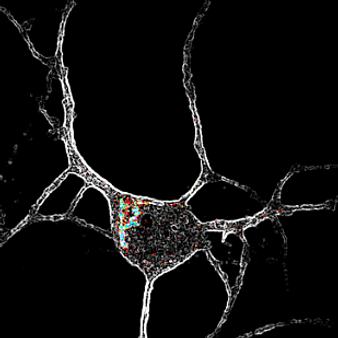
Some types of psychedelic drugs, such as psilocybin and MDMA (ecstasy), have shown promise as therapies for treatment-resistant depression and post-traumatic stress disorder. They appear to work by encouraging the growth of new connections between neurons in the brain. This ability of the brain to make new connections is called plasticity.

UC Davis Health
Psychedelics like LSD, ketamine, MDMA, and psilocin (also known as magic mushrooms) show promise in offering new treatments for a wide variety of disorders. These include depression, post-traumatic stress disorder, stroke, traumatic brain injury, substance-use disorder, Alzheimer's and Parkinson's disease. The compounds can reduce inflammation and promote neuroplasticity — potentially producing healing effects on the brain and lasting benefits for patients.

Debbie Green
Previous studies by Johns Hopkins Medicine researchers showed that psychedelic treatment with psilocybin relieved major depressive disorder symptoms in adults for up to a month. Now, in a follow-up study of those participants, the researchers report that the substantial antidepressant effects of psilocybin-assisted therapy, given with supportive psychotherapy, may last at least a year for some patients.
A report on the new study was published on Feb. 15, 2022 in the Journal of Psychopharmacology.
“Our findings add to evidence that, under carefully controlled conditions, this is a promising therapeutic approach that can lead to significant and durable improvements in depression,” says Natalie Gukasyan, M.D., assistant professor of psychiatry and behavioral sciences at the Johns Hopkins University School of Medicine. She cautions, however, that “the results we see are in a research setting and require quite a lot of preparation and structured support from trained clinicians and therapists, and people should not attempt to try it on their own.”
Muhammad Ishrat Husain , Nicole Ledwos , Elise Fellows , Jenna Baer, Joshua D Rosenblat , Daniel M Blumberger , Benoit H Mulsant, David J Castle
Current treatment options for major depressive disorder (MDD) have limited efficacy and are associated with adverse effects. Recent studies investigating the antidepressant effect of serotonergic psychedelics—also known as classic psychedelics—have promising preliminary results with large effect sizes. In this context, we conducted a review of the putative neurobiological underpinnings of the mechanism of antidepressant action of these drugs